Mikki Kunttu – 5 lessons in light
Posted on February 2, 2026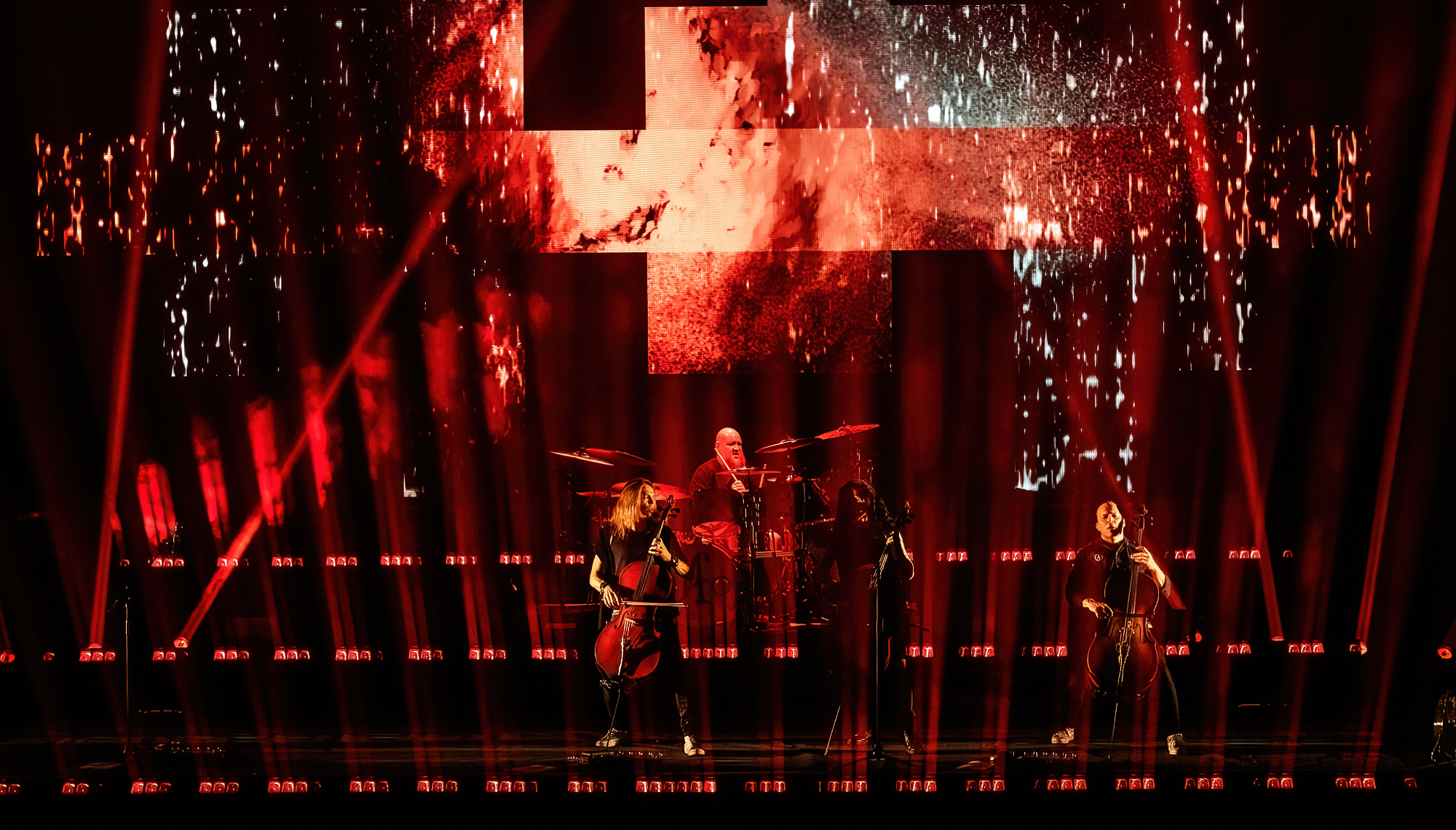
“When creativity comes first, everything else will follow.” This internationally renowned Finnish designer offered us this bit of advice during the course of our interview. To our mind, the statement beautifully encapsulates the driving force that has powered Mikki Kunttu’s career to the highest levels in the world of design.
Passionately following his own voice, Kunttu places his vision front and center in the design process. Of course, given the genuine artistry of that vision, his work resonates mightily with others in designs for clients like Cirque du Soleil, Eurovision Song Contest, The Walt Disney Concert Hall, Nightwish, Boston Ballet, Tero Saarinen, the Finnish National Opera, and the Danish Royal Ballet.
Other designers have also been moved by Kunttu’s visionary work, which is why so many of them turned out on his 50th birthday for “In The Light Mikki Kunttu,” a four-day celebration at Finland’s Tampere Hall that honored his achievements. Here, Kunttu shares some of the lessons he’s learned about nurturing inspiration in design.

Light is the unifying element — Light connects everything – costumes, makeup, direction, choreography, set design, music – and helps them interact with each other. Light is a storyteller free from the bounds of spoken language. For me, this is not only a practical guideline for working, but also a reminder of how I want to present myself within a collaboration. The best side of this life is the people we meet, and working in this field is no exception. It is all about creating together. And trust is the very core we build our art and careers on.
My only commitment is to find my own voice — There are two types of designers, first is the type whose only goal is to satisfy the client, and the second is the type that always sees and observes his/her work as a visual artist and therefore is only committed to finally please himself. And both approaches/mentalities have their place for sure. One type will fit certain kinds of productions better than the other.
I have always felt very strongly that I’m trying to find my own voice. Creativity can be a very holistic way of life, and at the same time, that is not to say it cannot come with satisfied clients and business, of course not. My thinking was always that when creativity comes first, the rest will follow.

The superpower of light lies in its metamorphic ability — Light can transform into something else in the blink of an eye, or fade so slowly that it is unnoticed, yet it remains ever-present in the space around us. I believe this side of creativity has been something I have had the pleasure of learning through working in contemporary dance. Early on, I fell in love with its creative openness, with how every rehearsal is basically an exercise in being present and ready to bring your energy in that moment.
Of course, all the technical advances that have happened since I started in the 1990’s has made so many things possible. Every stage creation is a manipulation of the four dimensions. The three dimensions of space plus time.
Light reveals, light transforms, and light brings out the hidden magic and shows the true colors — Light is beautiful, poetic, brutal, merciless, rhythmic, breathing, a counterforce, timeless, ever-present. Poetically its greatest potential lies – not in light itself – but in the darkness surrounding it.
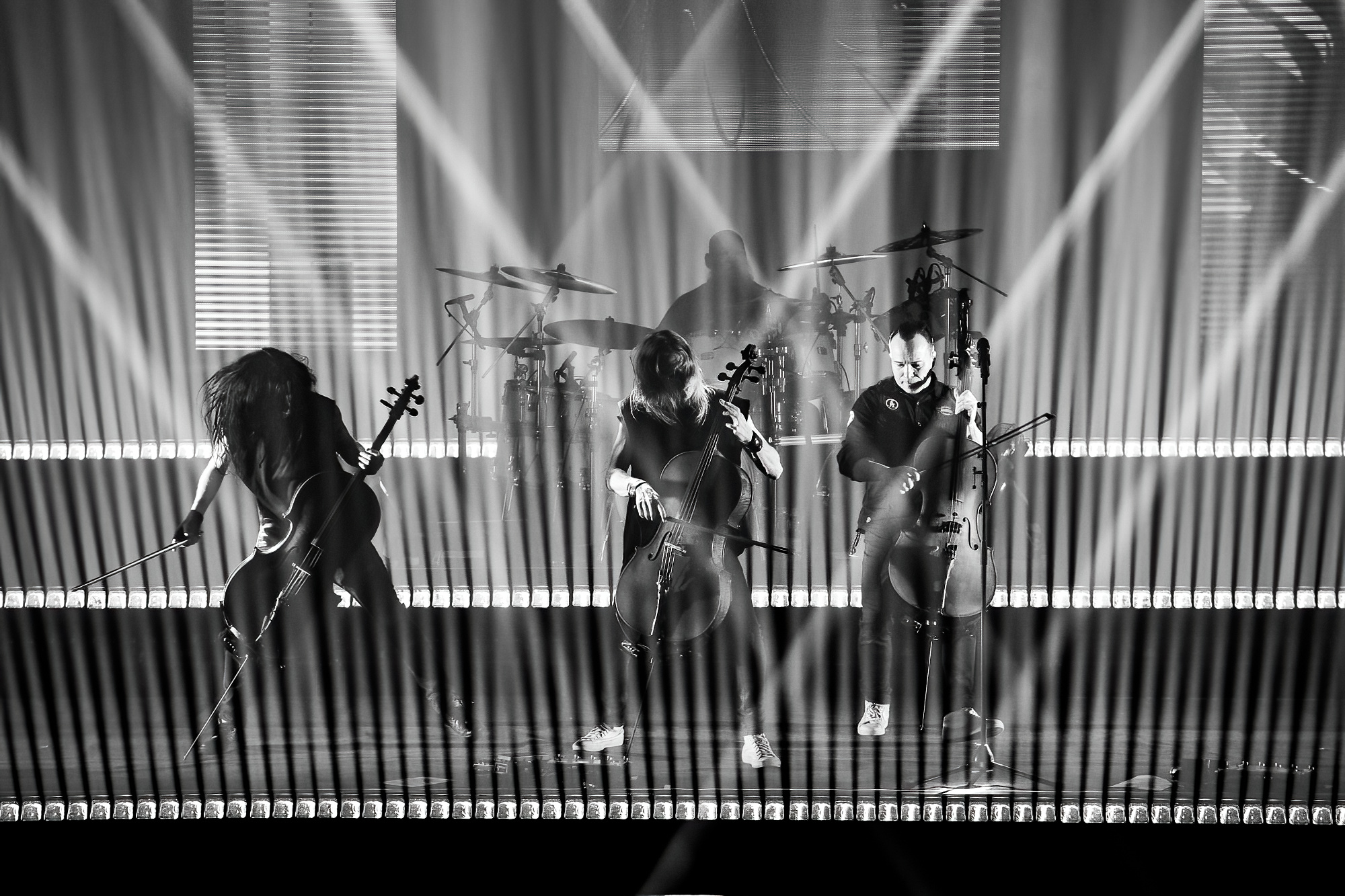
The way I look at it, darkness holds all the potential. That is when everything is still possible. Even the first light that is lit sculpts something away. And the more that is added, the narrower it gets in a way. I guess that is why I’m a big fan of minimalism. Or what I like to call massive minimalism. In any production, if in the process of programming, I paint myself in a corner, I can always go back to black and start over again.
Every production has its bottleneck — Try your very best not to be that bottleneck. Also remember that 95 percent of the problems did not originate where they surface.
Over the years, I have learned that the most challenging part of any production, any collaboration, is, without exception, concerning communication within the involved parties. This has to do with how, where, and when information is curated and distributed. It starts from messaging and emailing and ‘mood boards,’ and extends to cloud-based file distribution, revision management, and finally all the way to how we manage feedback and how it effectively loops back to benefit the production. The larger the production, the more central is the role of information management. Both artistically and technically. So from my end, I try to simplify this as much as possible, and if it is up to me, I simply avoid email altogether. I’ve been a fan of Slack and those sorts of applications since I first tried it out around 2012 and went paperless.