Designed for the Camera.
Built for Broadcast.
Backed by a deep command of LED technology, our fixtures are engineered to meet the demands of modern broadcast environments, delivering consistent, camera-ready results across studios, stages, and live productions.
On-Camera Performance is
Only the Beginning.
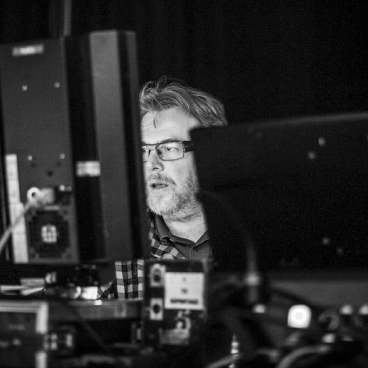

“We used the Maverick Profiles as our front light.Its CMY + CTO color mixing and zoom ratio were helpful in giving us creative options. We also relied on the washes to pump up entrances. They provided nice punch with their big lenses. The shapes bring every element of the design together. We created hexagons with ÉPIX that are reflected in different parts of the design. ”
– Michiel Milbou, Lighting Designer
Explore Our Broadcast & Studio Ranges
Featured Products
Why Professionals Choose CHAUVET Professional
Relentless Attention to Detail
Global R&D Expertise
Quiet, Camera-Friendly Design
Efficiency Without Sacrifice
Performance You Can Rely On
Worldwide Support Network
Ready to Join The Pros
See CHAUVET Professional in Action
Iconic Lighting for
Film and Television
Looking for more dedicated film and television lighting solutions?
Check out Kino Flo, one of the industry’s most trusted names for on-camera, studio, and cinematic applications.
Part of the Chauvet family of brands.
Iconic Lighting for
Film and Television
Looking for more dedicated film and television lighting solutions?
Check out Kino Flo, one of the industry’s most trusted names for on-camera, studio, and cinematic applications.
Part of the Chauvet family of brands.
Recent Press
Frequently Asked Questions
Start with fixtures designed for on-camera performance, not just output. In broadcast environments, consistent color, flicker-free output, silent operation, and precise control matter because cameras reveal problems faster than the eye does. CHAUVET Professional broadcast solutions are built to support reliable, repeatable results across studios, live productions, film work, and virtual environments.
Consistency starts with using fixtures built around strong color science and then maintaining a disciplined programming approach. Keeping fixture roles clear, building repeatable presets, and standardizing looks scene to scene helps teams protect skin tones, set appearance, and visual continuity across multiple cameras. This becomes especially important in mixed rigs and fast-turn production schedules.
Choose fixtures specifically intended for camera-facing environments and test them in the actual production workflow. Flicker-free performance and stable color behavior help reduce surprises when shutter settings, screen content, or scene transitions change. That gives lighting, video, and production teams more confidence during rehearsal and under live pressure.
Noise should be treated as a system requirement, not an afterthought. In news, interview, and dialogue-driven spaces, silent operation helps keep fixtures from becoming part of the audio problem. That is especially valuable when lights are installed close to talent, overhead positions, or other microphone-sensitive areas.
Build around fixture roles instead of trying to make every unit do everything. A strong system typically combines dependable key and fill positions with flexible wash, profile, and pixel-capable tools so the rig can adapt to studio looks, live cues, and virtual content needs without losing control. That approach gives teams creative range while keeping the workflow practical and repeatable.
Think in layers: key light for faces, wash for coverage, profile or accent for shaping, and effect or pixel-capable fixtures where visual texture adds value on camera. The right mix depends on set size, camera positions, and how often the space shifts between production types.
Start with a core package that solves the daily production needs, then expand in a way that preserves fixture roles, control logic, and visual consistency. This helps smaller studios scale into more complex environments without rebuilding the entire rig or retraining the team from scratch. It also supports mixed deployment models, from permanent installs to evolving rental packages.
The goal is a system that is easy to deploy, easy to repeat, and detailed enough for camera-critical work. Flexible control options, organized programming, and clearly defined fixture roles help teams move faster while still making refined adjustments when the shot demands it. In practice, that means less time chasing inconsistencies and more time refining the look.
Talk to a Broadcast Lighting Expert
Request A Product Demo
Request a personalized demo or speak directly with our sales team today.
