
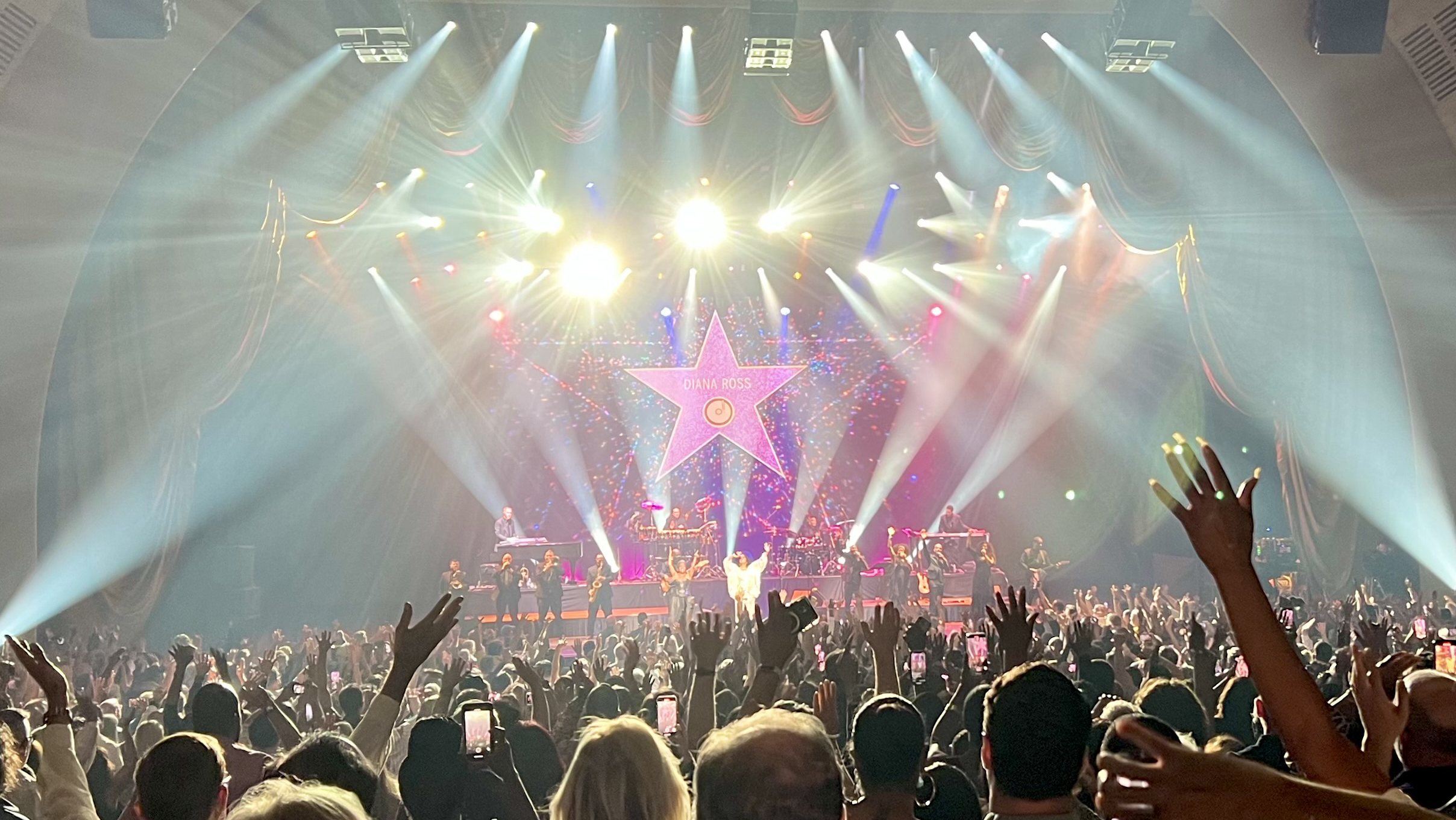
Working with his friend and colleague, Ben Rogers, this Preston, England-based designer has lit many memorable shows for longtime client, the incomparable Diana Ross. Out of curiosity, we asked him during our interview if there were any other artists from the past who he wished were around today so he could light them too.
Admittedly, we were expecting an answer like “Judy Garland” or “Ella Fitzgerald.” We were more than a little surprised then when he answered, “The Doors.”
The reason David Horner gave for selecting the ‘60s rock band, however, made perfect sense. Headed by poet Jim Morrison and named after a line from a William Blake poem, The Doors had a sense of “poetry and storytelling in their music that would have been great to visually interpret on stage, he explained to us.
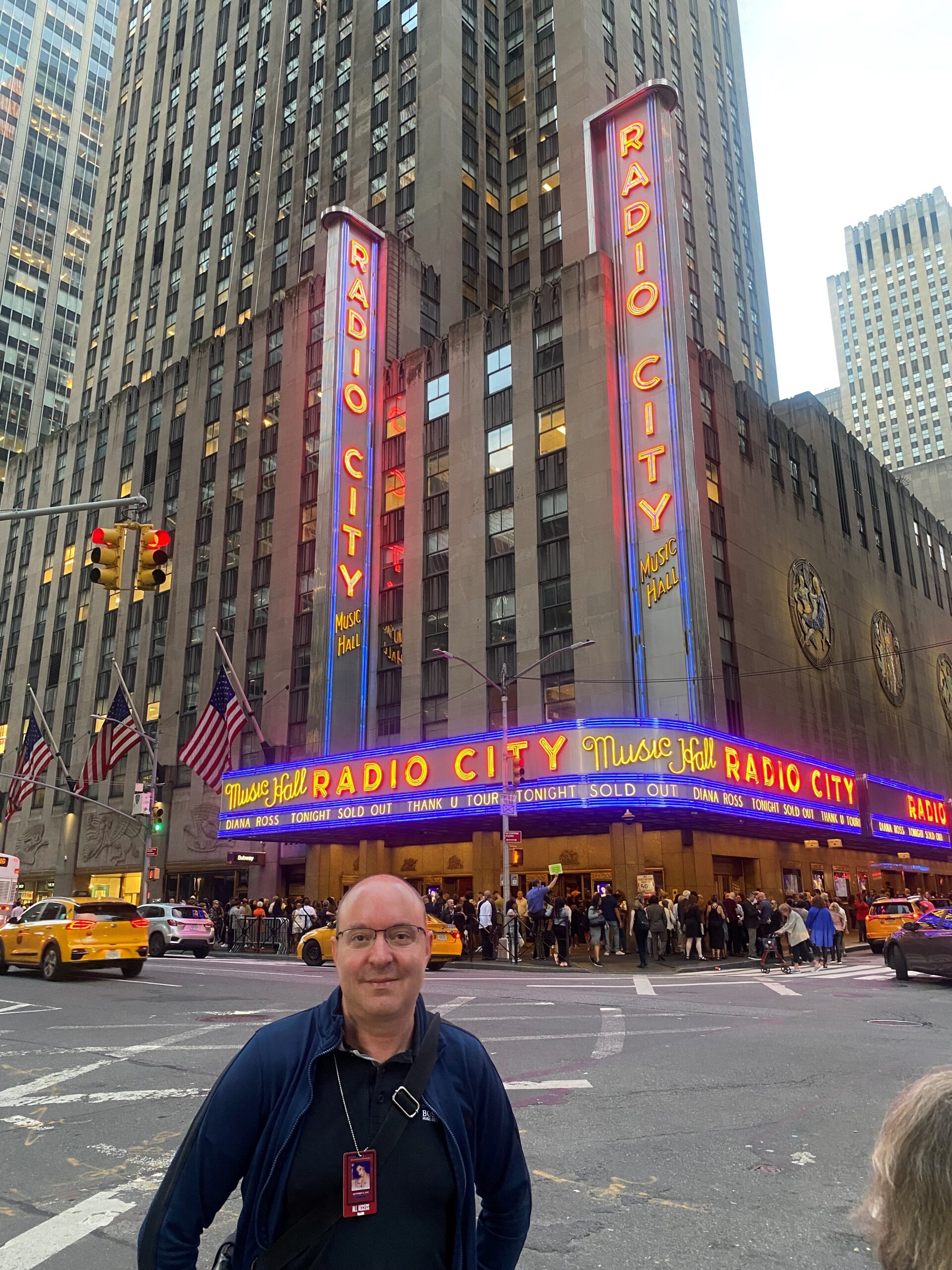
Although Horner ranks among the most technically proficient designers, highly skilled in media server programming and media content creation, his creative vision begins with the literary passion for building narratives that he honed early in his career working in West End Theatrical productions. Even today, he begins each project by mapping out the structure of the story his lighting is striving to tell. Once that is settled, he can turn to more technical matters, going back to add the detailed layers.
This philosophy has served Horner well in his distinguished career. In addition to his extensive work for the incomparable Ms. Ross, he has been involved in numerous television shows for the BBC, theatrical productions from the Rat Pack Christmas Shows in London’s West End to the award-winning Helicon xR Show in Dubai, and Just Dance Live in the USA with Patrick Woodroffe. He has also done extensive work in the cruise ship industry and served as Lighting Director for both Holland America Line and Carnival Cruise Line.
Speaking to us from his studio, Visual Connection, Horner shared his insights into the Literary power of light.
You’ve enjoyed a long and fruitful relationship with the legendary Diana Ross. Can you tell us a bit about how it started?
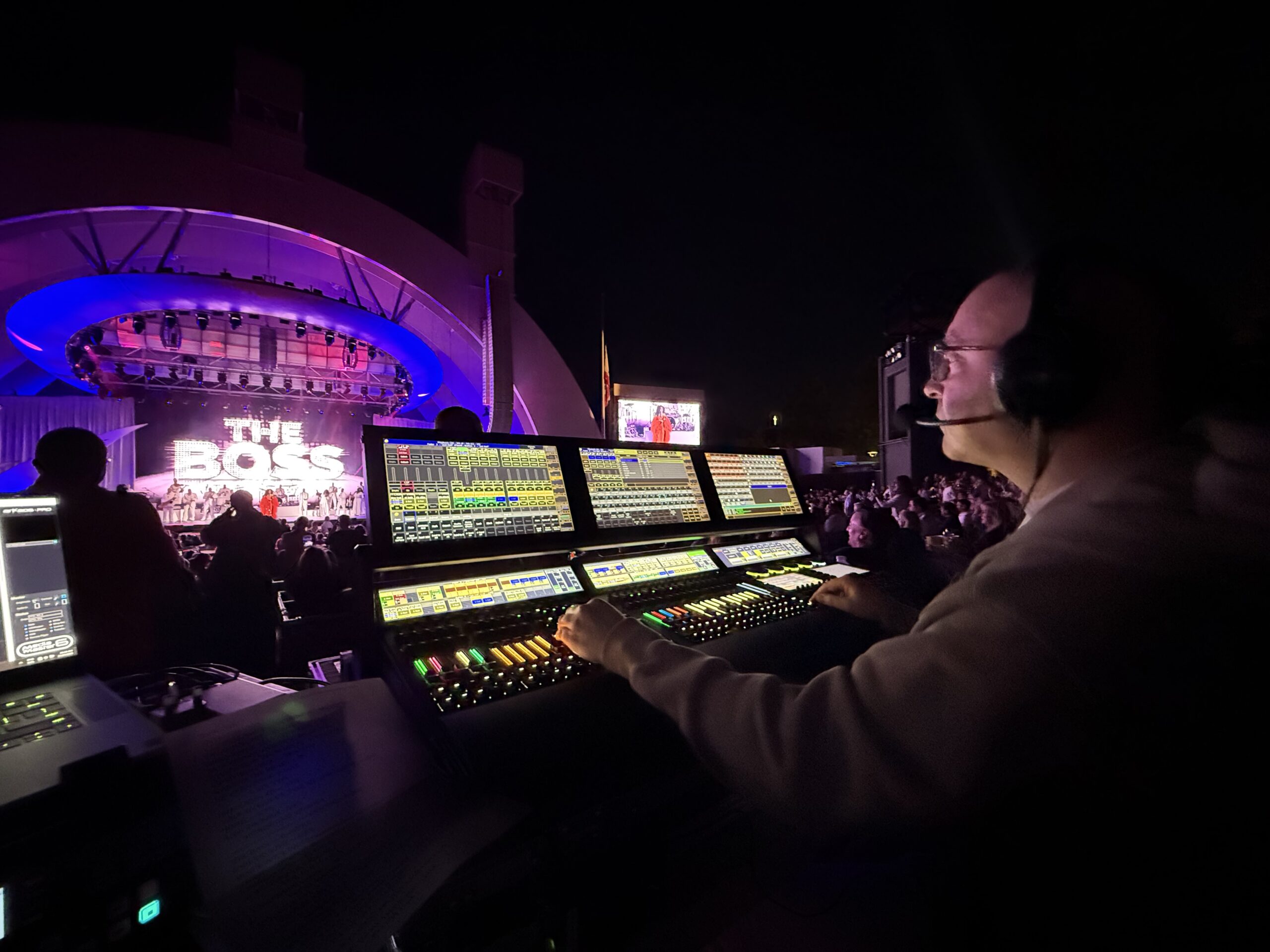
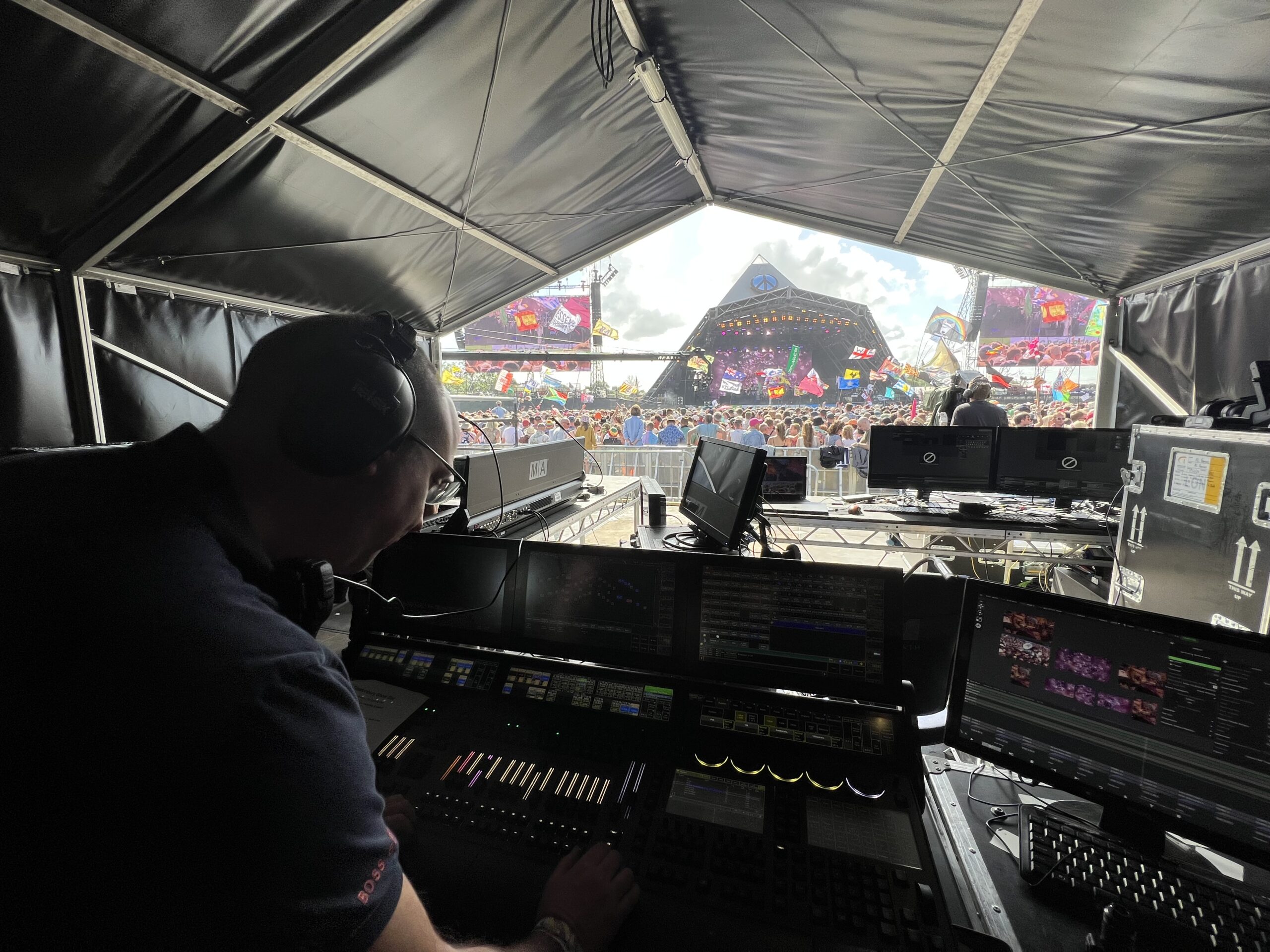
“The Diana Ross shows are a joint collaboration between Ben Rogers and myself. I have collaborated with Ben on many shows, as we have a very similar skill set, and can bounce between each other’s projects very seamlessly. For Diana Ross, it made total sense for us to work on the show together and build the show jointly in the rehearsal period, then swap out when the tour is on the road to make sure the show is operated by one of us at all times. For the big shows, such as Glastonbury, we work together, so one of us can keep an eye on the live side, and the other can take care of the look of what is being broadcast. It is a great and very smart working relationship.”
Has your approach to designing for Diana Ross evolved over this time? Are you doing anything differently now that you are more familiar with working for her?
“The show is growing all the time. Ms. Ross is a great artist to work with and very much involved with the creative process. The knowledge Ms. Ross has about the industry and live shows is outstanding. Ms. Ross is a very visual person, which has shown over the years with her costume designing. This comes out in our meetings about the shows and the look we should have for each number. It is an honor to work with such an all-around talented artist.”
We have been struck by how you keep the looks for Diana Ross contemporary even as you celebrate her iconic career. How do you do that?
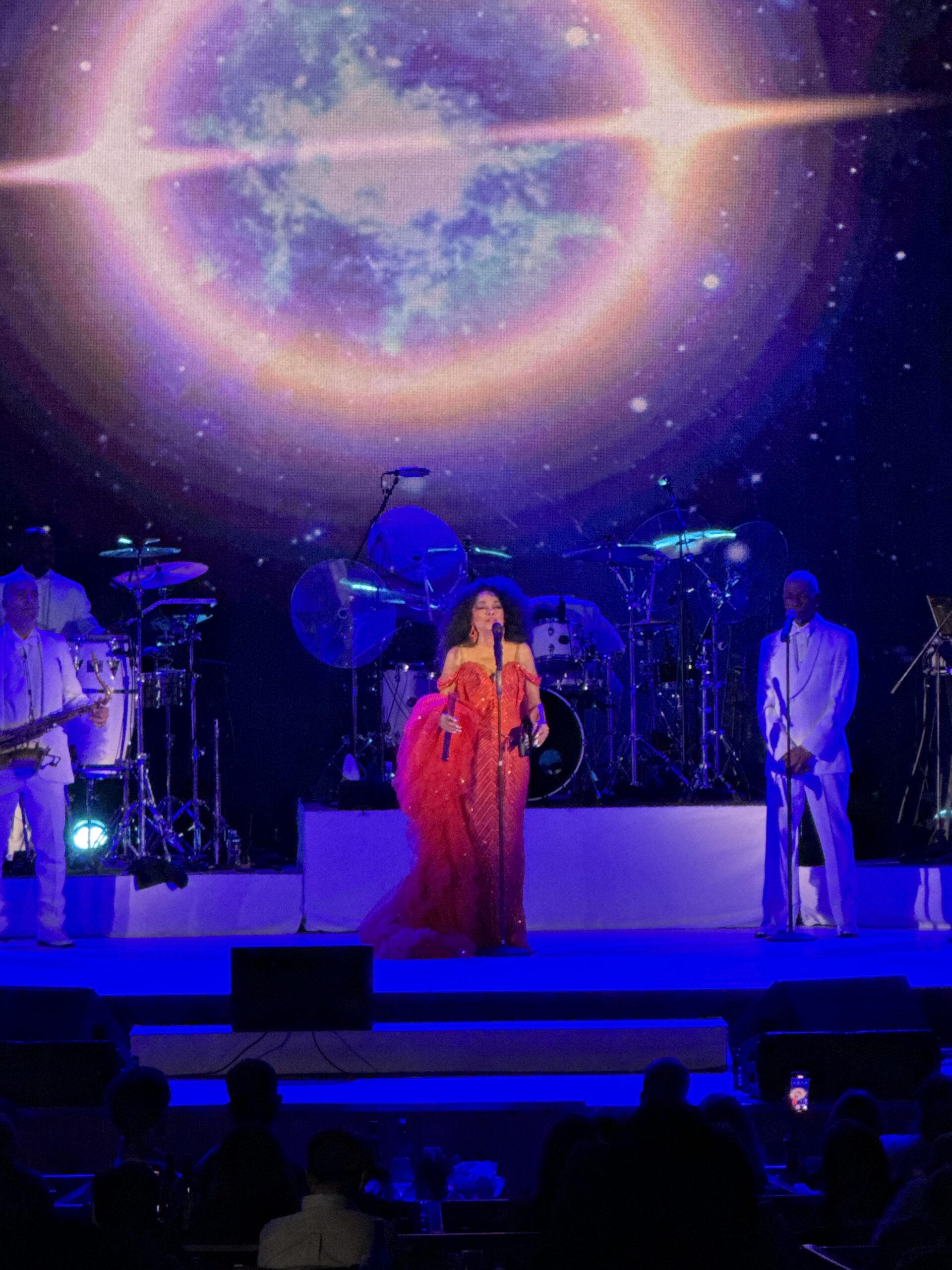
“During the start, Ben and I talked about how we wanted to create a show that makes the brightest element the artist on stage. I know this sounds like an obvious concept, but we both feel we see a lot of light shows these days where it is difficult to see who is on the stage. We both feel that that lighting should frame and complement what is happening on the stage”.
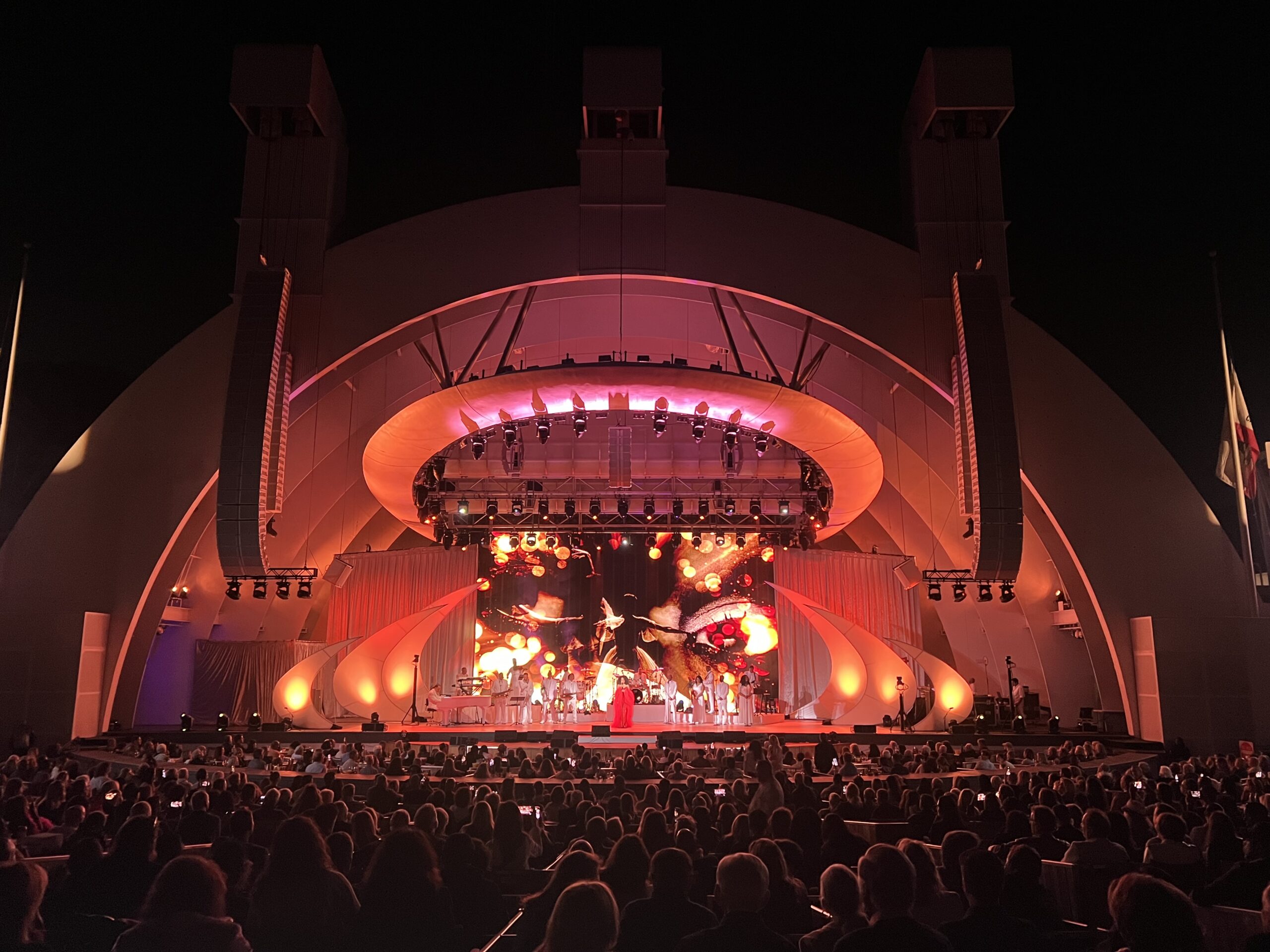
We’re also quite taken with how fluid your videos are in many of your Diana Ross concerts, as well as other shows. In particular, we’re referring to “The Beautiful Lover” Performances on the 2024 Legacy Tour, where you have an image of her with her head tilted upward and bands of color flowing in the background. It is far different from just having legacy historic images or IMAG. It’s as if you’re using video to reflect the essence of your client. Can you tell us a bit of what role you see video playing in that kind of design?
“The videos are created at Sunset Edit in LA, who we work closely with. They design full videos, and then we take the assets to put into the media server and have the control on the cross fades and timing to create identical timing with the lighting and the overall visual look. We have been to LA a few times to meet with them and set up our media server and lighting desk with previz to talk over each song. These meetings are so we all can see each other craft and brainstorm ideas, which is very useful and a great way to push forward the show to new levels.”
Do you try to balance video and light so one doesn’t overpower the other? Or do you design shows so video dominates at one point and light at the other?
“We always are aware of the overall balance on stage and have all the media being played back on a media server controlled by the lighting desk, so we have full control over the balance between lighting and video.”
On the subject of video, you are very accomplished at media server programming and media content creation. Are these skills that you think lighting designers will have to perfect in the future?
“Since I first became aware of media servers through the pioneer and overall genius of Richard Bleasdale, I knew the world of lighting and video were coming together — and swiftly. I started to gain knowledge on media servers and content creation, which I do believe are a skill lighting designers do need to understand in order to lead the visual look.”
When you begin a design, what do you think of first? Video? Lighting? Something else?
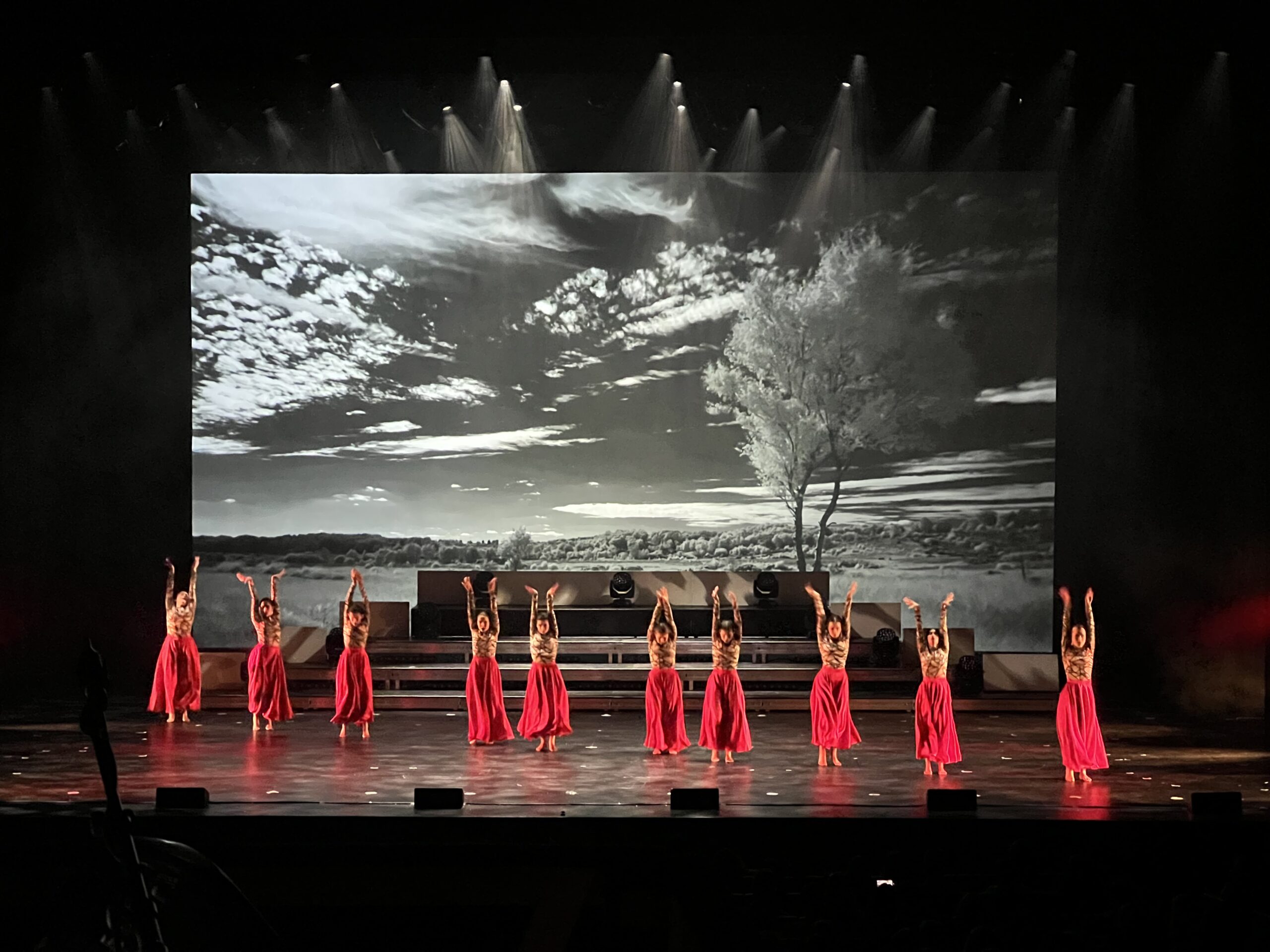
“In any show, I always start first with thinking about the structure and timing by making the first block of cue numbers from start to finish for a song or section of a show. This comes from the old story writing method of creating a beginning, a middle, and an end. Once the path is known, I can then start on putting thoughts into the palette and overall look.”
You’ve done wonderful work with Diana Ross. Looking back in time, are there any other legendary stars from the past who are no longer with us who you wish you could have been around to light?
“If I could have had the opportunity, it would have been wonderful to work with The Doors. I think the poetry and storytelling of their songs with the music would have been great to visually interpret on stage. I am very much a theatrical lighting designer who has both a visual and engineering mind that is about creating beautiful art with impeccable timing.”
Your work for Diana Ross is exquisitely elegant as befits her style. How did you have to modify your approach when you lit her at a festival like Glastonbury?
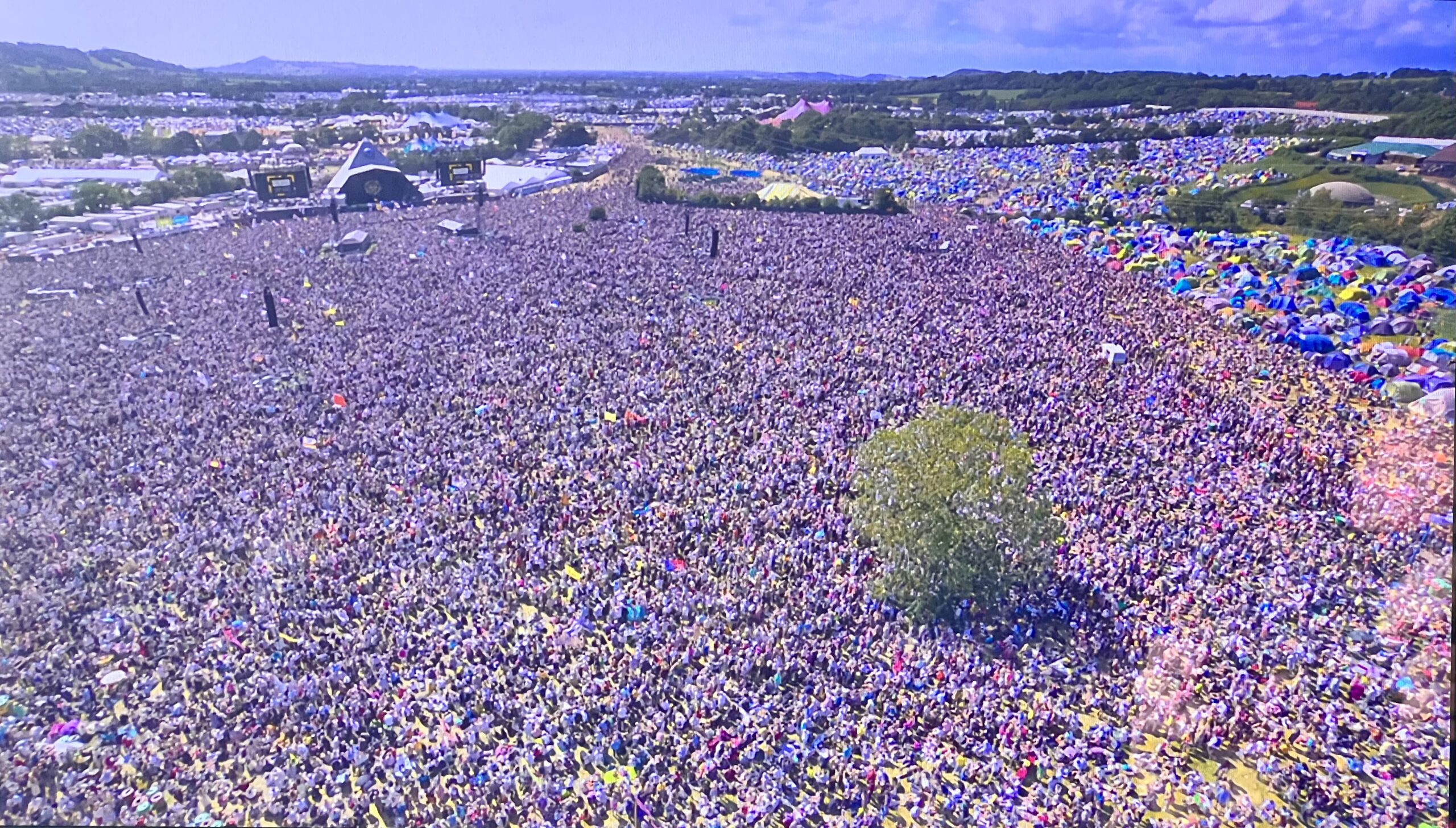
“For Glastonbury, we looked at previous performances that had the famous ‘Legend Sunday Afternoon’ slot, that is a daylight slot, and could see that some LDs tried to embrace the daylight more than others. We set about analyzing the looks they had used for the set list during the tour and applied those to the larger Glastonbury rig. We knew the director would take many close-ups from different angles, so we made sure they all had colour and depth. Along with the high production values, we wanted good keying for the artist. Because of the daylight, a lot of thought went into the reflection of light and colour in things like the instruments that would be picked up on camera to give the palette for that song.”
In addition to concert and touring, you’ve done excellent work in broadcast and theatre. If you had to choose, which one is most challenging?
“I find my approach to all shows is the same, using the same workflow, which is a good amount of preparation, using previz, an essential part of my workflow, then the results are always pleasing.
“These days, with the technology being used and the audience’s exposure to online content, there is an expectation for all shows to meet a standard which has to be delivered.
I have definitely blended my experience from working in theater, broadcast, and concerts to deliver my work. I feel very lucky to have been given great opportunities in all three disciplines.”
Of course, you also are well-known for your work with cruise ships, and you’ve designed entire rigs for major lines. Do you evaluate lighting fixtures differently when they’re being placed on a ship as opposed to a theatre?
“The technology and build of lighting equipment has always been a passion. I was very lucky in the early stages of my career to work in the support department of one of the largest lighting production companies in the world at that time, and was able to get hands-on experience with multiple fixtures. To be able to learn the history of moving lights and the first moving light desks was a huge benefit. With this knowledge, when specifying a lighting rig, whether it be on land or a ship, I look at every aspect how it will be used, maintained and keep the look of the show.”
Regardless of the setting, you always seem to create this engaging sense of depth on stage. Any advice on how to do that?
“During my time as a programmer, I was very lucky to work for over fifteen years with the Lighting Designer Brian Monahan, who, in my opinion, is one of the best in the business.
Brian taught me about color and light to create depth. The use of backlight, side light and front light at the correct levels in the right colors creates this look. It is a very theatrical method that is mixed with the principles of lighting for camera. It works great both live onstage and for broadcast.”
You work a lot as a programmer with other designers. What is the key communications issue for programmers and designers to keep in mind when collaborating? Is there one area where communications issues are most likely to arise?
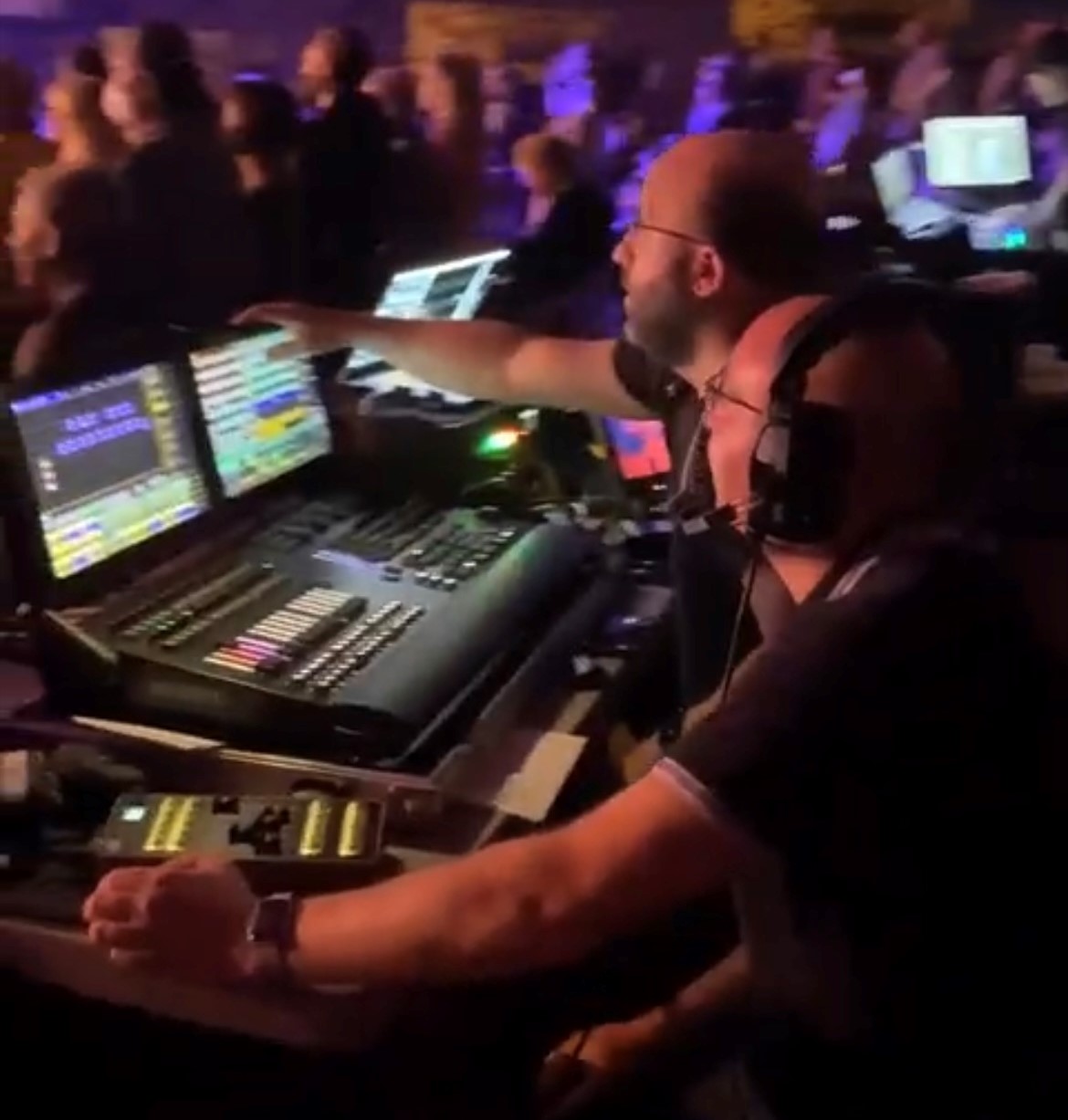
“When programming, the main thing is to remember that you are there to help deliver the designer’s vision and be as helpful as possible in achieving that. It is their show, and as much as you, as a programmer, can suggest things to help, they are putting their name to it and therefore, they made the decisions. The best thing I feel I do when programming is keep the designer up to date with the progress in the process and let them know when I am ready to move on to the next cue. Being a designer can bring a lot of stress, and anything a programmer can do to help bring that down helps the overall process. This is another reason I am a huge fan of previz that can give extra time to look at the show and make the choices without the pressure of an approaching deadline.”
How did you become a lighting designer?
“My path to lighting designer started at a young age, as I always had an interest in technology. Then, at the age of 14, I joined my local youth theatre group after enjoying drama classes in school. Whilst in the youth theatre, I learned the art of creating shows within my local theatre. The technical elements of the venue caught my attention, particularly the lighting, so I started helping out in that department when I could.
“During my school days, seeing the equipment that my local theater had, I did not think that a lighting-only career could be possible, but then one day I watched the Pink Floyd Pulse show from Earls Court in London, and that show, designed by the very talented Marc Brickman, made me see the magic lighting could do. It set me on the path to seek out how I could create a career in lighting.
“At the time in the UK courses were limited, but I found one in Oldham College that offered an HND in Electrical Engineering, which specialized in Lighting and Sound. After moving to Manchester, I managed to get on the books as a casual in the LX department of the Manchester Opera House and Palace Theatre. For two years, I would be at college in the days and follow spotting in the evenings. Since the Opera House and Palace are big receiving houses, I was doing all the load-ins and get-outs of some of the biggest shows touring at that time.
“What I learnt over this time, from the moment the trucks pulled up, and we unloaded them, to rigging the equipment, then being a spot operator on the show, was an invaluable start to my career. It was here I first got my hands on moving lights and got to see the results on stage.
“During this time, I was lucky to meet many of the great theatrical lighting designers passing through to light their shows. One night, when Jesus Christ Superstar, lit by the very talented Mark McCullough, opened, and I had the house left spot, which had a fast, tight pick up on Mary coming out of a crowd. The LD on the tour said it was the best pick up he had seen of that moment and suggested that my talents would be appreciated in the West End, so I went home and sent my CV out to the theatres of London.
“In a stroke of luck, one was picked up by the Chief LX at the Aldwych theatre, who needed an LX3 to run the lighting board and help maintain the rig on Whistle Down the Wind, which also happened to be another one of Mark McCullough’s designs. After a year in the West End, an opportunity came up to be a part of a graduate training program in the same production company. I went to then work for them in their support department.
“It was here I got to spend time in the warehouse becoming familiar with each section of the warehouse, from cables, control, and moving lights.
“Lighting desks became my passion when doing this job, and learning the programming of each desk was a big part of my work. During this time, I was able to chat with some of the best lighting programmers in the world, including the extremely talented Mike (Oz) Owen whose programming set the bar for what I wanted to achieve.”
How do you want people to remember you as a designer?
“I would like to be remembered as someone enjoyable to work and create with, that puts out some beautiful work. I want to always be someone who is wanting to learn and listen to ideas from those around me to be able to push a product forward and give the best that can be achieved.”


