
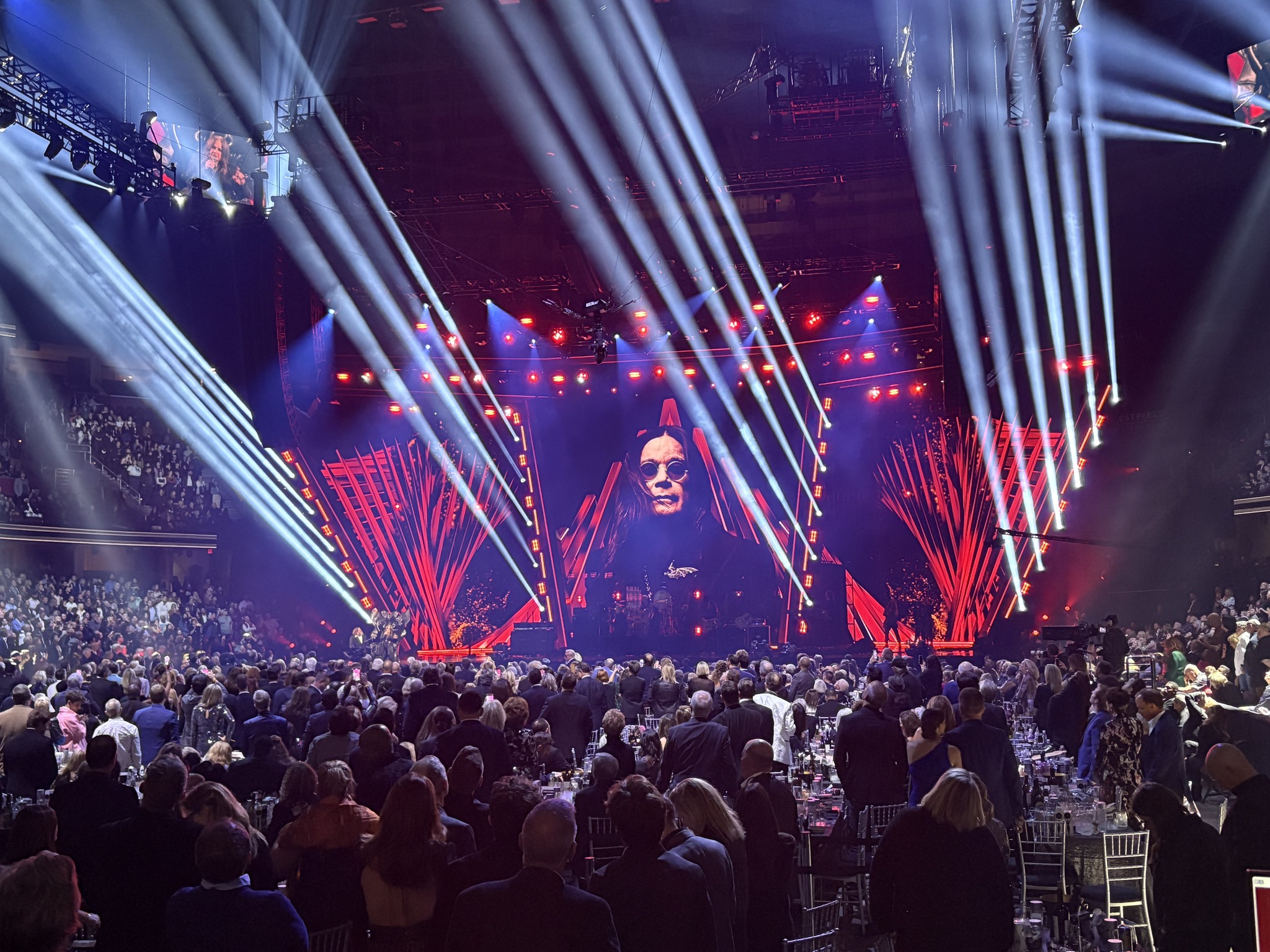
 The multiple award winner has earned the universal respect and admiration of his peers by combining a relentless attention to even the smallest detail with a fearless willingness to push his creative horizons in new, often uncharted directions. His distinctive work manages to be richly textured and nuanced without ever straying from the simplest and truest design principles.
This combination has served him well, whether it’s in television (Super Bowl Halftime Shows, Rock & Roll Hall of Fame Induction Ceremonies, and TV specials by stars like Diana Ross, Bette Midler and U2), or tours by the likes of The Rolling Stones, The Who, David Bowie, Ozzy Osbourne, Paul Simon and others.
Branton examined the practical questions underlying lighting design in a recent book he coauthored with Sharon Huizinga: Lighting Design Beyond Theatre, which is available in the usual places: Amazon, Barnes & Noble, Routledge, etc.
“In the book, we assert that knowing the techniques and creative theory of stage lighting is only part of the story, assuming one aspires to practice this craft for a living,” Branton told us. “Early in the book, we announce our intention to focus on fieldcraft more than stagecraft.” Quoting from the Introduction, “…this book is not about lighting design…rather about confronting the questions that must be answered… to have our design plans actually work – all the time, every time, in reality.”
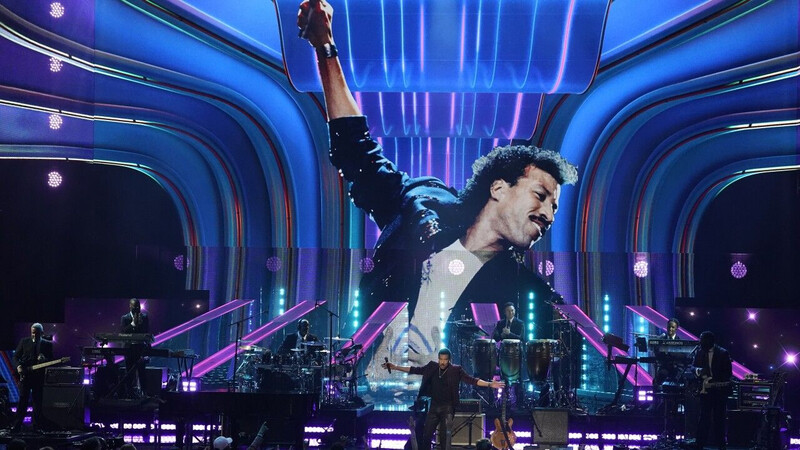
The importance of this principle has been driven home to Branton throughout his celebrated career, particularly in regards to broadcast lighting. “In recent decades, I have specialized in the special event, often televised. Significantly, the operational tempo of these special events is out of sync with the typical pace of normal life. This includes decision cycles, sleep cycles, weekly calendars and daily clocks. This sort of project has unique challenges because it must be deployed fast, ready to be presented almost immediately — and typically it’s only once or twice, and never again. So, stipulating that we can all be trusted to know what looks good, right, etc. – hence being hired – attention to the operational details is usually the key to our plan’s success. Holistic design of the “deployment” phase of the lighting ensures traction, making creativity possible, at speed.”
Branton went on to share five lighting lessons he’s learned in his career.
THIS IS A TEAM SPORT –It simply must be. The projects are too complex, too fast. In my current group (5-6 people, gaffer, lighting directors, programmers, draftsman) we operate as a team virtually from the beginning. We speak by video conference and/or phone as soon as a project is known and explore its feasibility and goals, long before lighting equipment is discussed. Eventually, budget and plans evolve to a carefully considered end. Then, when we arrive on site there is no hesitation or debate about how it will unfold or our creative intention. This is decided beforehand. Importantly, the system is prepped by a trusted supplier/partner so it flows into the space and we are ready to work in a day or two.
Look up a few videos of complex, artful, collaborative activity: The Blue Angels, Circus trapeze artists, Olympic level synchronized swimming, etc. Metaphorically, that’s what your team needs to be. The trapeze is my favorite. It demands the participants trust each other, a mistake being unthinkable.
READINESS-ANTIDOTE TO FEAR — In a short story by one of my favorite fiction writers, Rex Stout, his main character observes, “an angry man is a jackass.” We’ve all seen it. This bad vibe stalls the action and delays the solution of whatever problem has rung the fire alarm.
Those who have known me a long time will have seen some tantrums, thankfully very few in recent years. With time comes perspective. I’ve learned that anger, usually driven by fear, asphyxiates the mind. It cripples my thinking and the thinking of those who are committed to helping me.
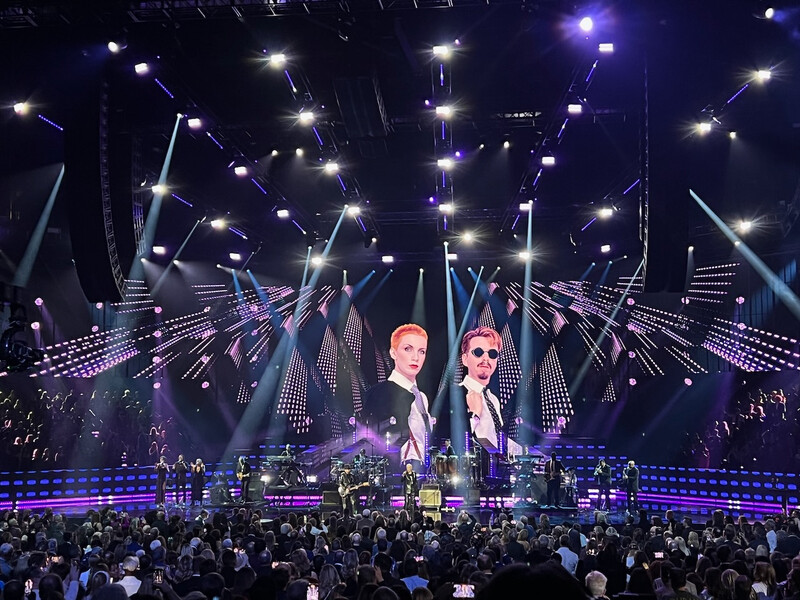
Most incidents of professional terror have a simple solution – simple, not always easy: Readiness. Panic is almost always a consequence of faulty (or lazy) analysis in planning, leading to crisis. Sharon and I observe repeatedly in our book—most disappointments in the outcome of a project can be traced back to gaps in readiness. Where does this magical readiness come from in a project that runs under such cruel time pressures? You design it. Bake it into the cake. Every decision must pass that test: if the individual components and people earn their way into the plan, by being appropriate to the occasion, and feasible in the circumstances, your design can fly. (More in our book).
CAVEAT EMPTOR — The aforementioned “trusted supplier/partner” is essential in these up tempo projects. Time is too precious. If I can trust the equipment component of my plans to be immediately ready for use onsite, I can aspire to a level of creativity that is otherwise simply not feasible.
These days there are people in many businesses that have adopted the philosophy that competent staff and well-maintained equipment are a nuisance cost, rather than an asset. If you tie your future to people who see the world this way, you are probably doomed. There is nothing sadder than a big lighting rig floating over a stage, dead. Be very careful about the low bidder. More of poorly maintained gear is simply not “more.” It is not a wise design strategy.
“There is hardly anything in the world that someone cannot make a little worse and sell a little cheaper, and the people who consider price alone are that person’s lawful prey.” John Ruskin
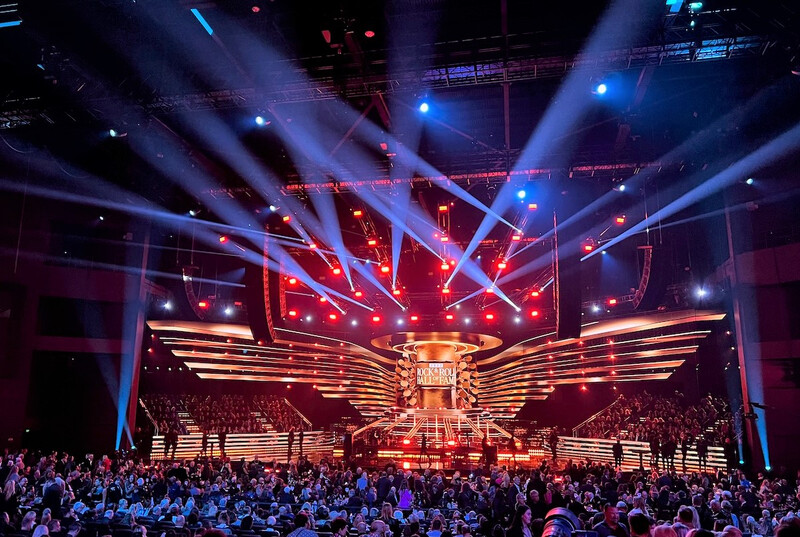
NO UGLY BASEBALL (OR, LIGHT THE EVENT THE AUDIENCE CAME TO SEE) — I was reading an interview recently with Leo Mazzone, legendary retired pitching coach for the Atlanta Braves. Mazzone laments the devolution of professional baseball/pitching, to only the question of “how damn fast a guy can throw.” For one thing, this has resulted in a sharp increase in elbow surgeries. Besides the issue of pitcher’s health, this trend has led to boring, plain ugly baseball.
I thought…Wow, we have that issue in lighting too.
When I meet “civilians” who have learned my line of work, they usually remark, “that sounds interesting,” or something similar. But occasionally, when I describe my profession, our civilian launches into a tirade, complaining of lighting that ruined the last show for which he or she obtained (presumably expensive) tickets. Though not present at the event in question, I am pretty sure I know what they saw. They saw somebody lighting a different event than the one occurring on the stage: a “light show.” They experienced malpractice – ruination of the experience they hoped to have and should have had.
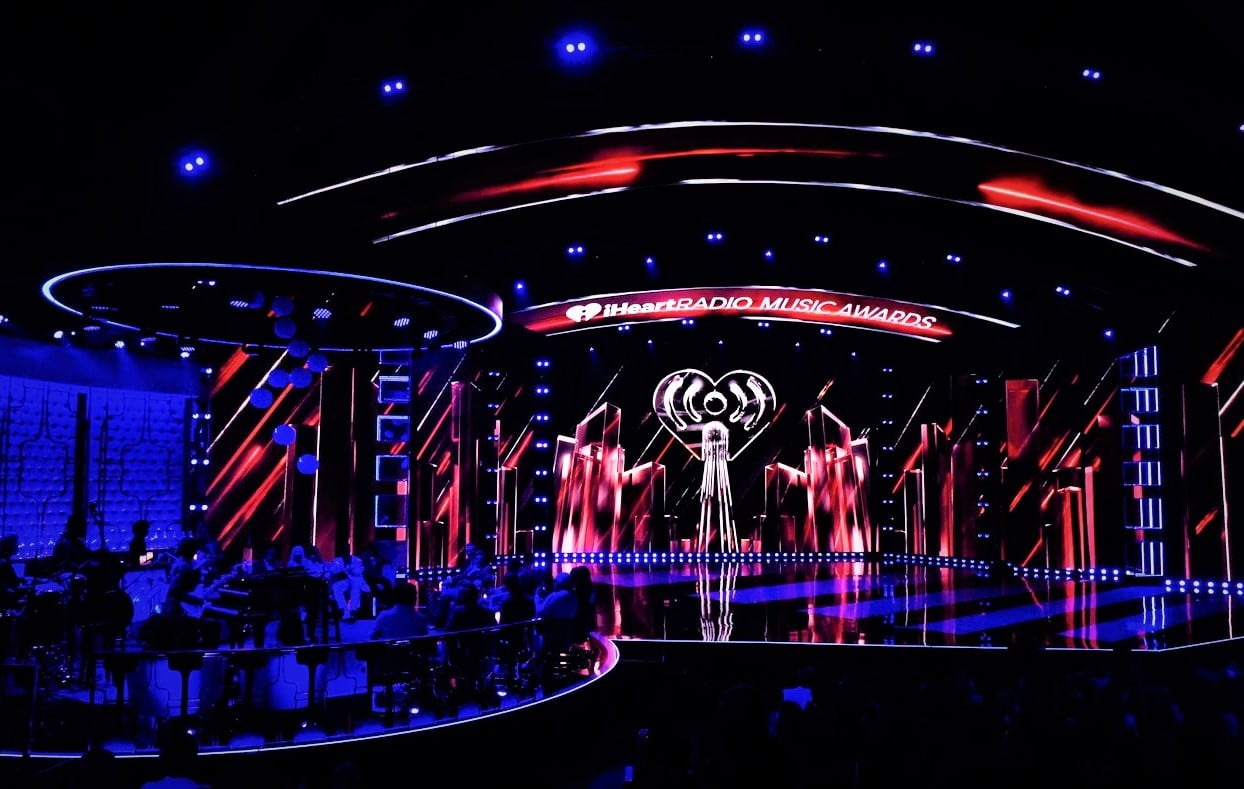
If lighting is always busy and moving it becomes noise. This sounds stupidly obvious, but if that is so, how come so few people seem to know it?
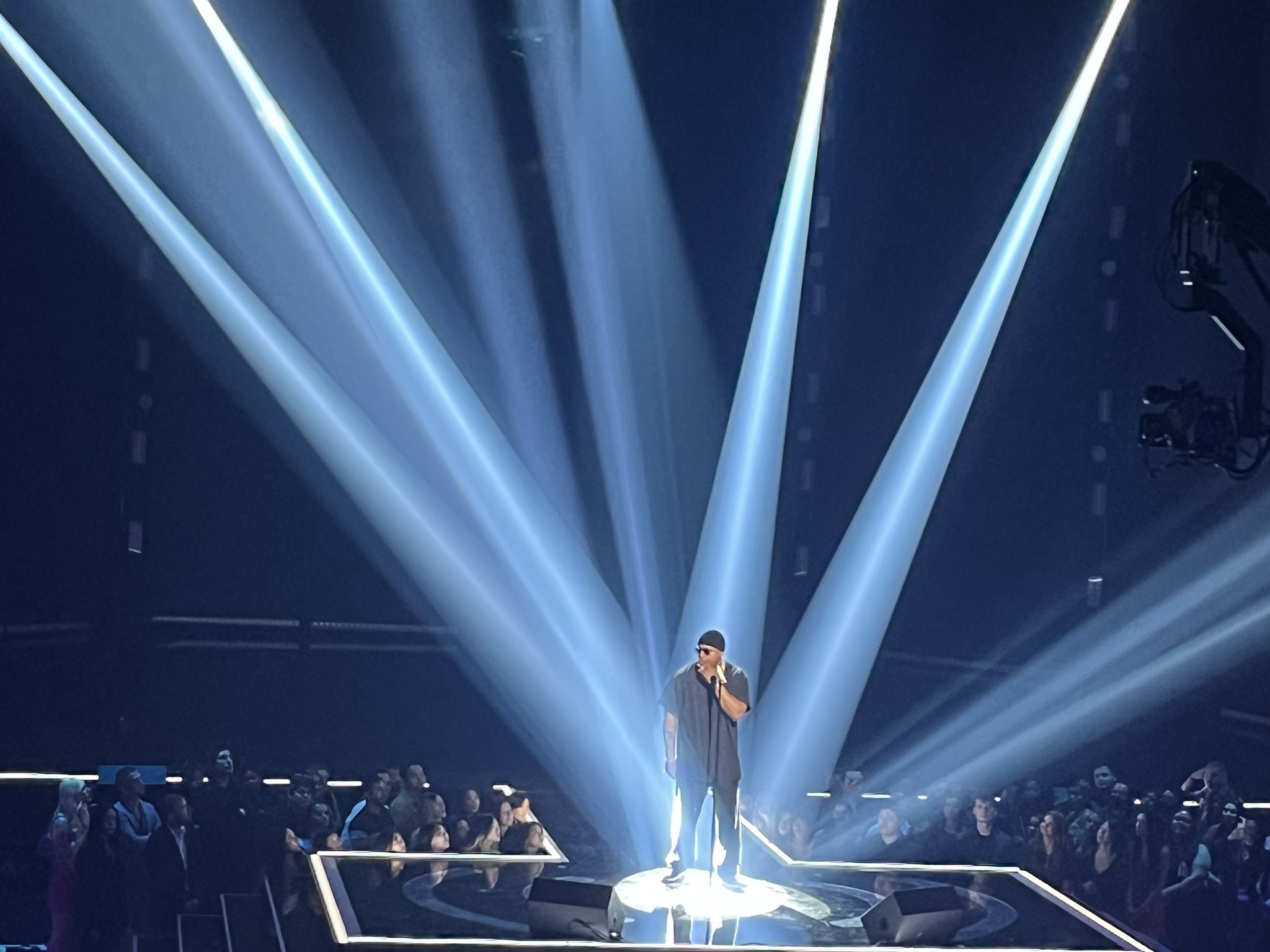
Some of the most powerful lighting moments we see are those where dynamic lighting drops to almost nothing, a performer in a single light. Counterintuitively, these are the memorable moments. This creates a clearing for performer and audience to get at one another.
The lesson here: Think. Remember who you are doing this for. Perhaps look at the ticket to remind yourself what the event is. I’ll bet said ticket doesn’t mention lighting.
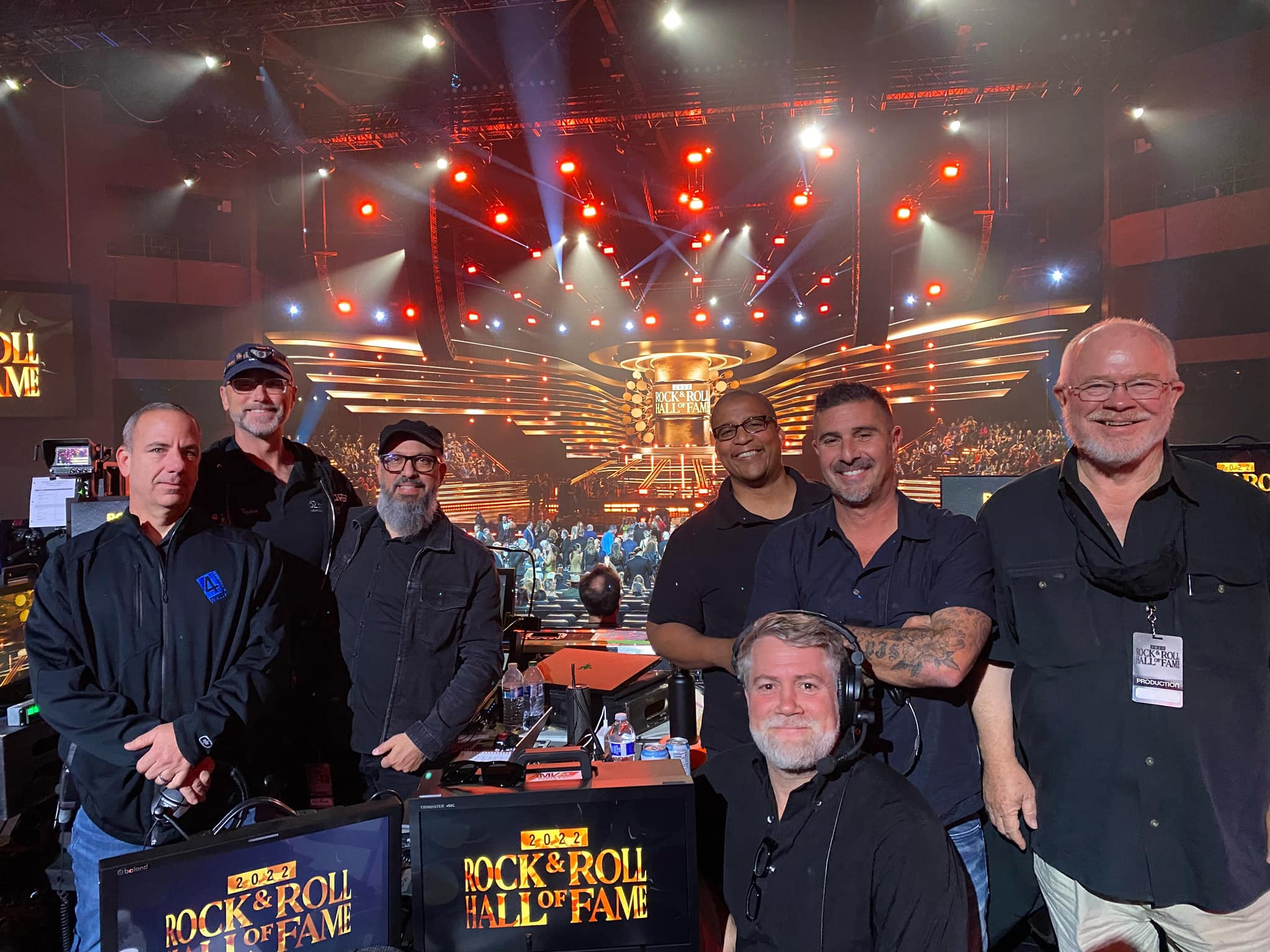
RESPECT THE CLIENT, ALWAYS — We lost Jeremy Railton recently, on July 9, 2025. One of the last times I saw Jeremy, working on — I forget what — we were in his Santa Monica studio and conversation had turned from discussion of our current project to general observations about clients and their impossible demands, mercurial behavior, and occasional unvarnished rudeness. Near the end of this exchange Jeremy said something that I will never forget. He said the best approach he had found was, “just love them.”
 I began to make my peace with clients and their idiosyncrasies, that day.
Quoting from our book…”It is my personal policy to assume all clients are splendid, courageous people.” In any production, the producer, promoter, accountable party has the most on the line and the most to lose if the project craters. I figure this person has chosen me to be part of the team they have assembled to bring the project home. Remember, these projects happen in full public view, sometimes on television.
So, regardless of any eccentricities, clients are heroes to me. The promise we’re making to the audience started with them. Consider. Being asked to go out on a limb with somebody is a compliment. Assuming success, trust is built. This is the “relations” part of client relations.


