Erwin Van Lokeren – Ethereal Light
Posted on October 7, 2025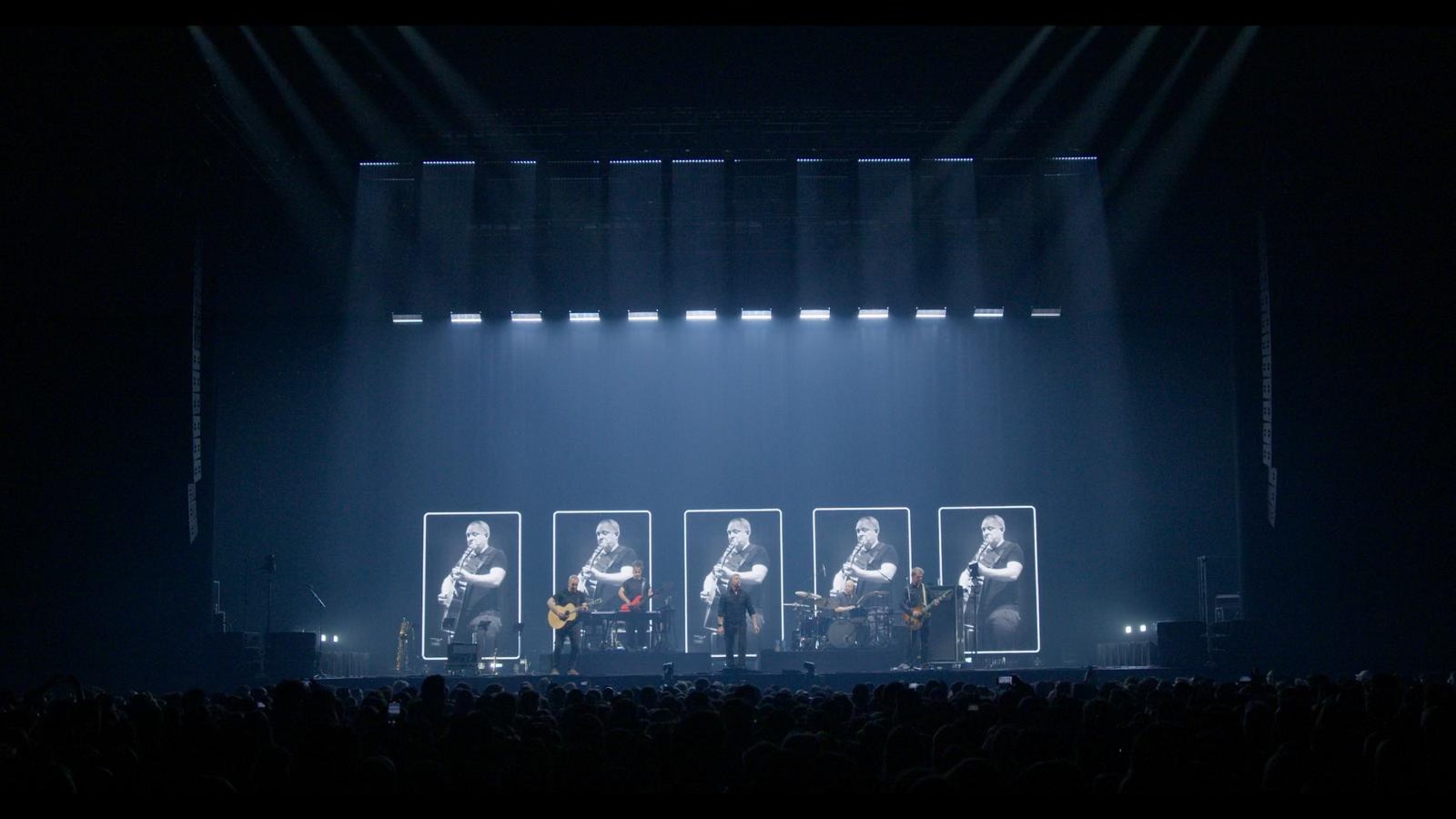
Music resides in the space between the notes. Composers from Mozart to Debussy have echoed this sentiment in one form or another for centuries – and with good reason, since without this subtle spacing, even the most soaring composition devolves into noise.
This Belgian-based designer believes that the same principle applies to the lighting as well as the performance of music. Erwin Van Lokeren has channeled the power of this ethereal, hard-to-define “space” when creating deeply evocative lighting designs for award-winning European bands like Racoon, Triggerfinger, and Epica, as well as French electronic music pioneer Jean-Michel Jarre.
Although Van Lokeren readily uses darkness and shadow to accent the power of light, his concept of “spacing” goes far beyond this technique. For him, creating room for a design to breathe and flourish as it unfolds with the music being performed on stage involves an element of restraint.

Relying on his own artistic judgment, he routinely refrains from using an extra effect or video display. Oftentimes, he believes, it is better to achieve the desired effect through less obvious, more intricate means.
Although he frequently employs the latest technological tool in his work, Van Lokeren understands that just because such options are available, they don’t automatically warrant inclusion in his design. This is especially true if using one of those tools will detract from his main objective of supporting the client’s music. However, the impact of his design lies not only in what is omitted, but also in the subtle use of evocative light angles and atmospherics that have a way of moving and uplifting audiences in ways that would be impossible with brute force alone.
Taking time from his busy schedule, Erwin Van Lokeren talked to us about the subtle but irresistible power of ethereal light.
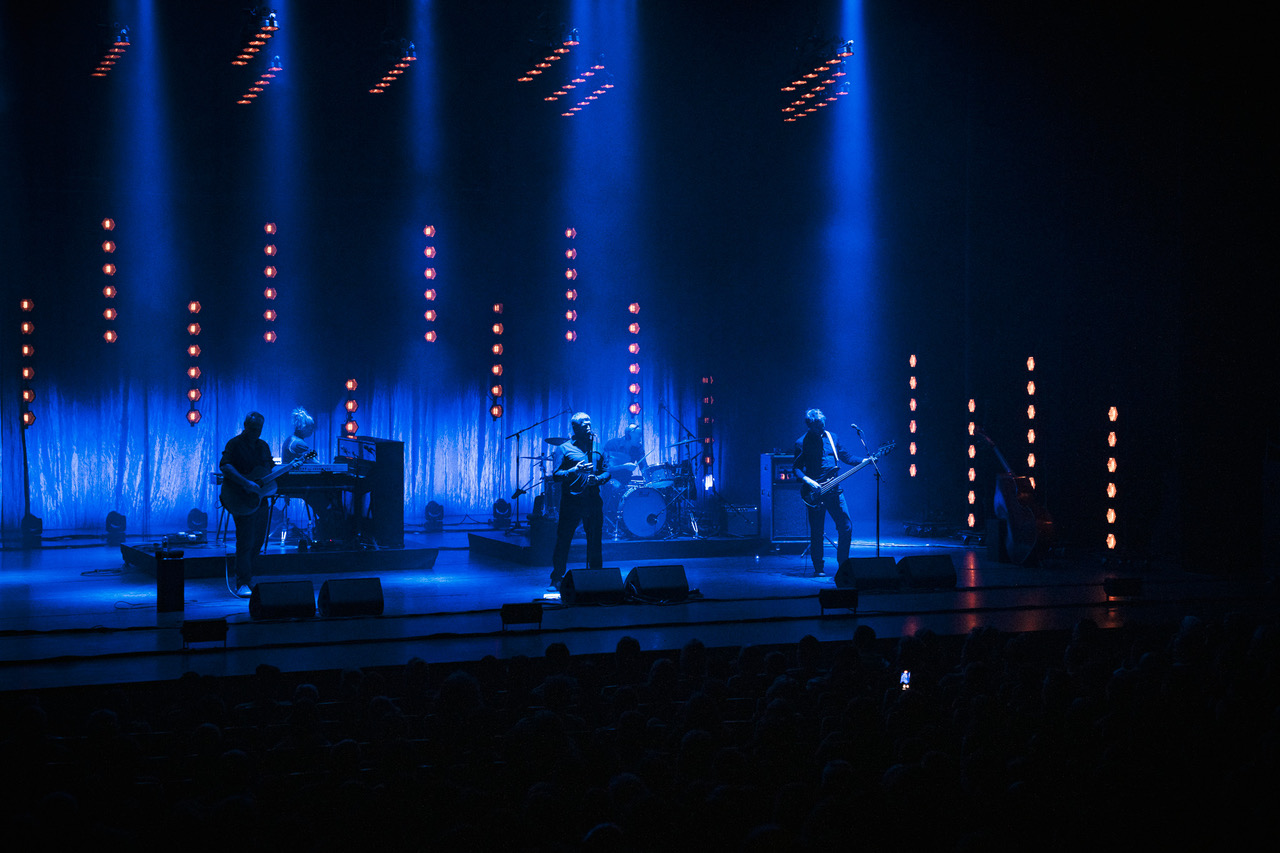
Like many others, we have praised your designs for their “simple complexity,” meaning that they are able to cover a very wide and varied emotional landscape without relying on a massive rig or big ballyhoo moments. What do you feel are the keys to creating emotionally powerful moments, while still being relatively minimalistic?
“For me, it’s still ‘less is more.’ It’s very easy to have a hundred lights and just put them on to create a look. But to create a look with only a few or specific lights is the challenge. I love that challenge, and most of the time, the looks with a few lights have more impact in a song or show at the right moment than hundreds of lights. And with this idea, in my opinion, you create more diversity in a show. It is important too to use the right type of light for a specific moment in the show to create the needed atmosphere. That’s why I love to work with a lot of ‘specials’ in my designs.”
On the other hand, in your 2024 tour for Racoon, you went with a rig that was a bit larger than previous ones, with more fixtures and a large video component. Why was that?
“With Racoon we did some big venues with a lot of capacity – and, as you know, in these places a lot of people are in the back, but they also come to see the band. With these kinds of venues, it’s even more important to create the same atmosphere, but always to make sure that the audience can see the band.

“So in this design I created the same atmosphere but bigger, and therefore I used the video screens to enlarge the band, but I carefully thought of how to use the screens, with the necessary effect and camera looks. The last thing I wanted was for the audience to watch a large TV. So, the atmosphere in the show was perfectly blended in the video aspect of the show. In the end, it all fits together. So, the Racoon show was still a Racoon show — only bigger.”
Following up on that tour, despite the bigger rig footprint, you still maintained this subtle sense of intimacy. What was the key to that?
“Again, less is more is the idea that comes to mind. The show was well thought out, and I used a lot of specials to create that intimate feeling. A combination of video and the right lights at the right time can create the desired look without using the whole rig at once. In this design, I also used a lot of motion-controlled lights to create a sense of intimacy. We had lights hanging two feet above the band to create shadows and make the stage really small.”

That Racoon show was 105-minutes long, yet it moved very effortlessly as if you were creating a narrative. Is there a story-telling element to your designs?
“With every show that I create, I always try to build up the way that follows the band’s narrative. I try to build the story with the way I use the lights. This way I am building up the show to the moment of the climax. By using the lights/ effects like this — maybe once in the whole show – the big effect has much more impact than it would if you did this seven times in a show. It’s the most challenging thing to do in design. I love it when I have tocome up with special ideas for a specific moment in the show.”
You’ve had a long relationship with Racoon as well as Epica, two iconic bands. What is the key to a successful relationship with clients?
“Communication is the main key! All the bands I work for, I consider friends. It’s so important that you don’t see the band only on stage but also off stage to grab a drink or have dinner, and personally get involved and learn how they’re feeling on stage and what their idea of the show is, so you can anticipate. It is really important for me to hear directly from the band about their wishes and needs.”
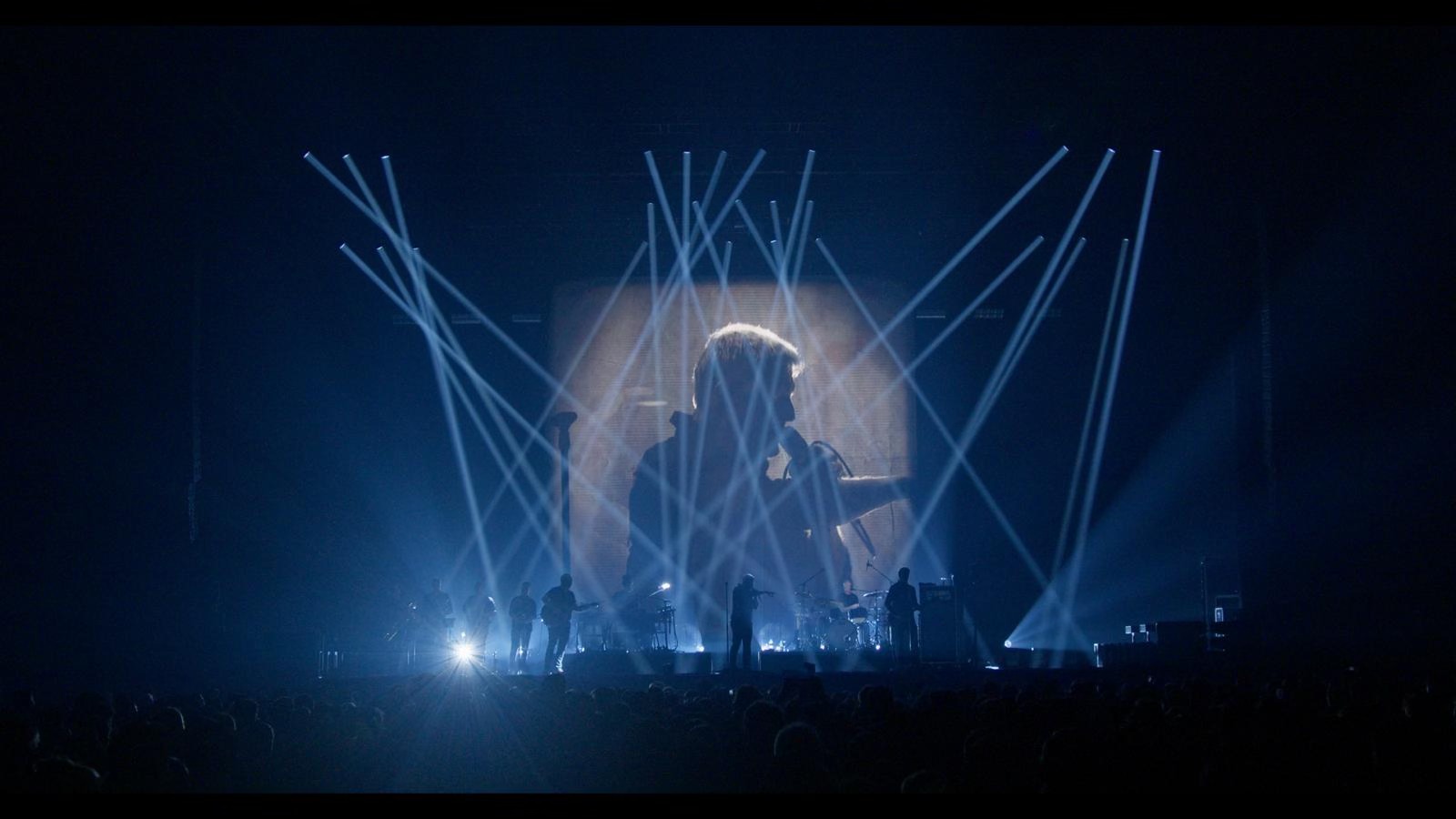
Many of your designs are vertically oriented. Why do you tend to go vertical instead of horizontal in design?
“It’s a personal taste, I guess. The looks I have in mind are most vertical… my idea of creating more depth on stage to get to the desired looks I need.”
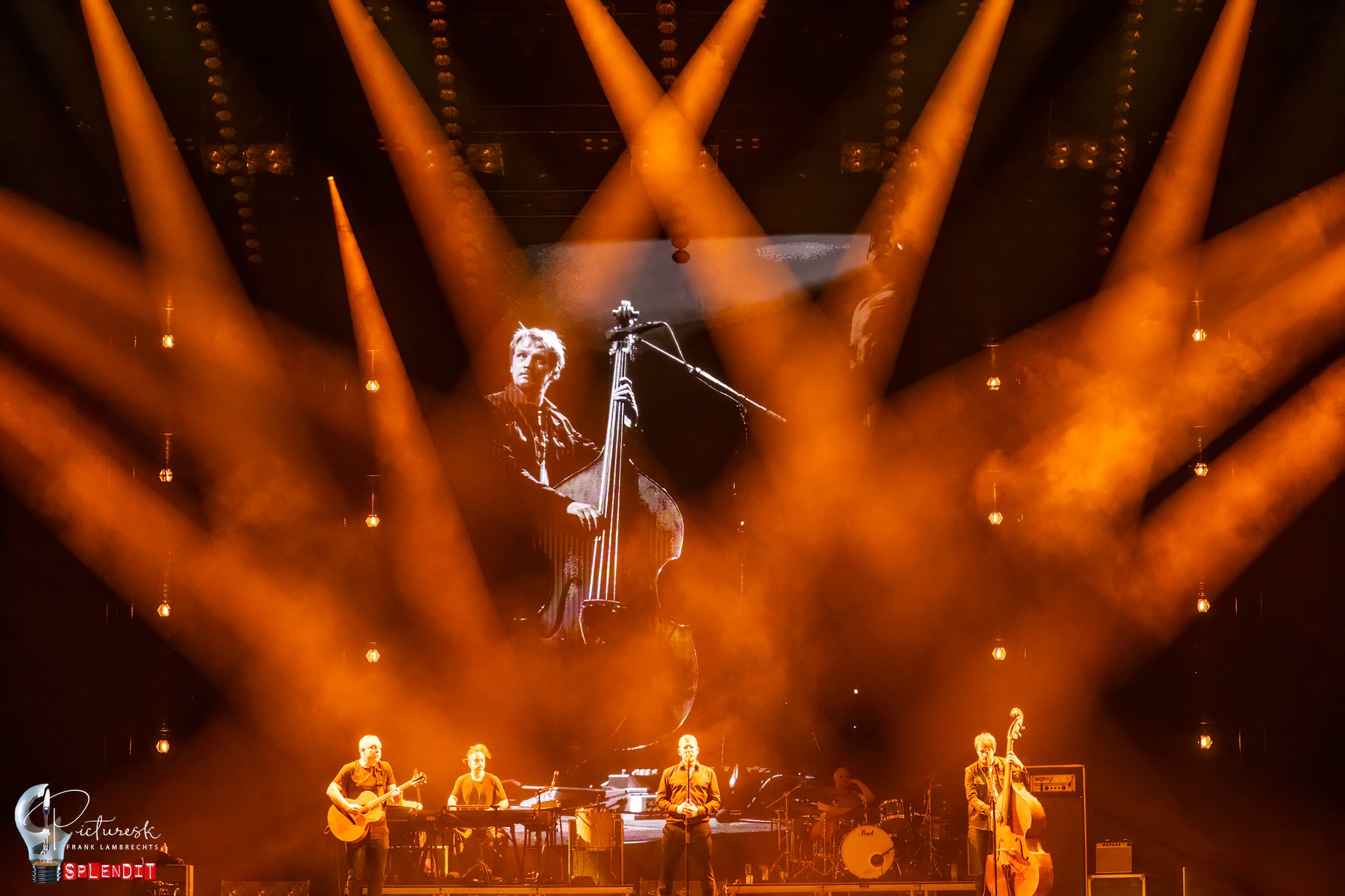
You also tend to use a lot of warm-white ambers in your designs. Can you tell why you do that?
“That’s something that fits with the bands I work for and the kind of music they make. And for every band I’m working with, I try to avoid making the show a ‘color book’ unless it suits the show. With the warm-white looks, you can easily create an intimate feeling without overusing effects and lights.”
A lot of new technology has opened the path to creating bigger looks. Will this change your approach to design?
“Yes, of course! Nowadays, you can easily use one type of light to create so many looks, instead of relying on three or four different types. So, you have so many more options in your design to create even more special things. In the past, you would have already spent most of your budget on basic lights. As a result, there was hardly any money left for specials. I’m feeling that this is turning around, thanks to technology, which gives me more options than ever to spend on specials because the basic lights are so versatile, meaning that I need fewer of them to create what I want.”
Why did you become a lighting designer?
“I always loved to be creative. I started as a stagehand when I was young. From day one, when I did my first stagehand job — it was a U2 PopMart show — I knew that I wanted to do this! And I never looked back!”
